Finding the Right Restoration Provider

A practical decision guide to selecting qualified water damage, fire damage, and mold remediation contractors when time is critical and expertise matters most.

The Challenge of Choosing Under Pressure

Property damage creates urgency. When a pipe bursts or a fire occurs, the window for effective response narrows to hours. This is precisely when decision-making becomes difficult. The instinct is to call the first contractor who answers the phone and offers a low price. Yet this decision, made under duress, often determines whether your property is restored correctly or will deteriorate further within weeks. A restoration company that understands the technical complexities of drying, remediation, and structural recovery produces dramatically different outcomes than one treating the work as routine cleanup. Your challenge is learning, before an emergency, what qualities distinguish a capable contractor from an inexperienced one—so that when the moment comes, you can choose with confidence.

This guide walks you through that decision systematically. It explains what successful restoration actually looks like, what mistakes homeowners commonly make, and what factors matter most when evaluating contractors. It also walks through the step-by-step process of identifying, comparing, and selecting a provider. By the time you finish reading, you will understand restoration enough to ask intelligent questions and evaluate answers critically, regardless of pressure or time constraints.

What Successful Restoration Looks Like

Success in restoration means returning your property to safe, dry, and structurally sound condition while preventing secondary damage. This requires more than removing standing water. It requires systematically reducing moisture content in walls, subflooring, and concealed cavities to safe levels. It means identifying materials that cannot be saved and removing them before mold growth accelerates. It means documenting the drying process to prove the work is complete. It means identifying all fire damage—visible and hidden—and remediating it properly. You will know restoration was successful when the property is genuinely safe to reoccupy, when indoor air quality tests pass standards, and when moisture readings return to baseline. Success is measurable and verifiable, not a matter of opinion.
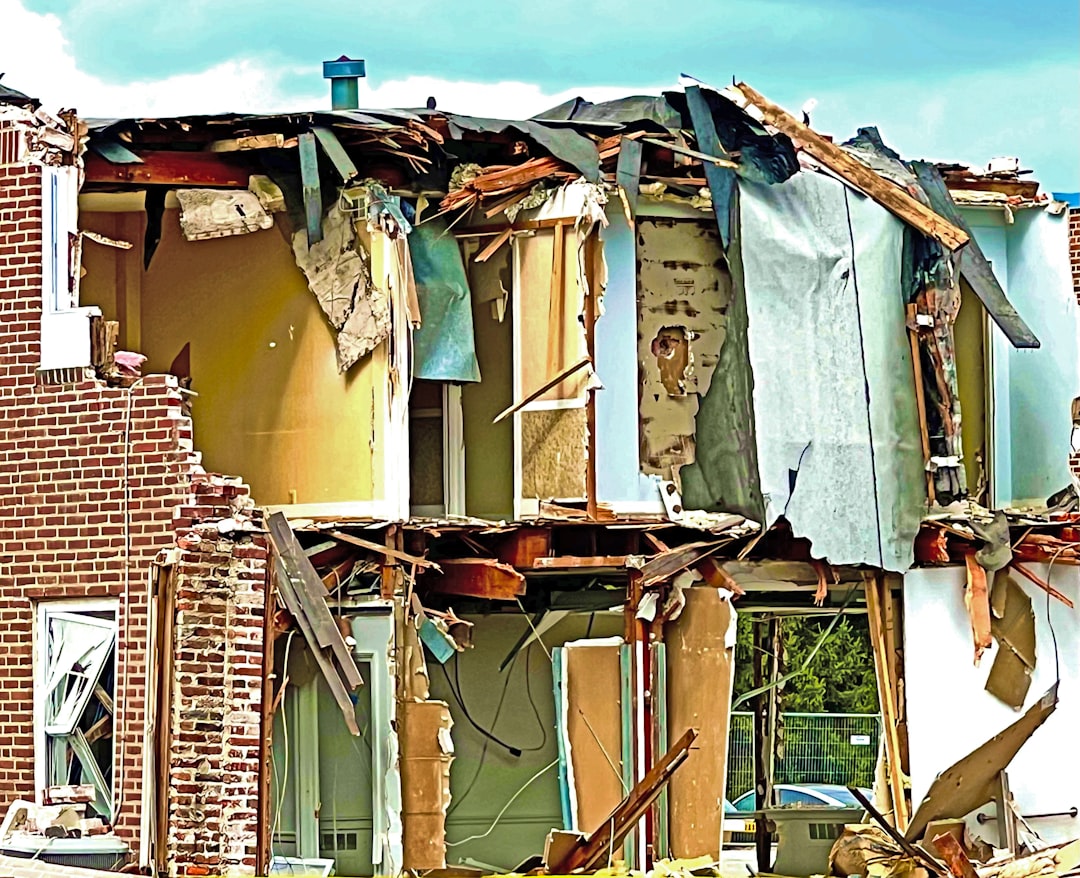
Interior water damage requiring professional assessment and restoration
Professional assessment identifies all damage—visible and hidden—before the restoration process begins.

The Mistake Most Homeowners Make

"We thought if we removed the wet materials ourselves and opened some windows, the property would dry out naturally. Six months later we discovered mold behind the walls. That's when we realized we needed to call professionals from the start."

Property owner, after DIY restoration failure

The most common mistake is underestimating the scope of damage. Water that soaked into walls, subflooring, and cavities cannot be dried by opening windows. Mold growth accelerates in hidden, moist environments. Fire damage extends far beyond what you see—smoke residue compromises structural integrity invisibly. Second, homeowners often choose contractors based on price alone, prioritizing the lowest estimate without questioning what that low cost means. A contractor offering restoration at half the market rate is either cutting corners on equipment, skipping essential steps, or misunderstanding the work. Third, homeowners fail to ask about the verification and monitoring process. A contractor should prove drying is complete through moisture readings, not simply declare the work finished when subjective appearance suggests dryness. Avoiding these mistakes requires knowing what to ask for and why it matters.

Key Factors to Consider First

Damage Scope & Type

Identify whether damage is water, fire, mold, or a combination. Water damage affecting only one room differs vastly from damage affecting multiple stories. Fire damage to contents differs from structural damage. Scope determines the contractor expertise and equipment you need.

Timeline & Urgency

Emergency response in the first hours prevents secondary damage and mold growth. Some contractors offer 24/7 response. Others schedule work days or weeks out. For significant damage, response speed directly impacts outcomes and final cost. Know the contractor's availability before crisis hits.

Certifications & Licensing

IICRC certification, state contractor licensing, and insurance are non-negotiable. These credentials indicate the contractor has been vetted against industry standards, understands technical requirements, and carries protection for your property if accidents occur during work.

Equipment & Methodology

Modern restoration requires specialized equipment: pinless moisture meters, thermal imaging, industrial dehumidifiers, air movers, and monitoring systems. If a contractor cannot explain their drying methodology or how they verify completion, they likely lack the depth to handle complex damage correctly.

What Restoration Work Typically Costs

$2,000–$5,000
Small water damage (≤500 sq ft, limited depth)
$5,000–$15,000
Moderate water damage (500–1,500 sq ft, structural involvement)
$10,000–$50,000+
Extensive water, fire, or mold (multiple rooms, structural work required)

Pricing depends on affected area, depth of penetration, whether structural drying is required, the type of damage, and whether contaminants are present (mold, sewage). A homeowner should receive multiple written estimates, each itemized by service. An estimate dramatically lower than others without clear explanation often indicates incomplete assessment or plan to cut essential corners. Insurance will sometimes cover restoration, depending on your policy and damage cause. If insurance is involved, coordinate directly with your adjuster and verify that chosen contractors will work directly with insurance on billing.

When to Call a Professional

Some property damage can be addressed by the property owner—minor water spills, surface dirt from smoke, small mold spots in low-risk areas. The boundary between DIY and professional work is the extent of the affected area and the difficulty of safe removal. Public health guidance is direct on this point: the CDC's mold cleanup guidelines recommend bringing in a trained professional once affected areas exceed roughly 10 square feet, rather than relying on DIY cleaning alone. Water damage affecting subflooring or insulation within walls requires professional drying equipment and monitoring to prevent mold growth—it is not addressable with towels and fans. Fire damage, even small fires, produces residue that compromises structural integrity and air quality; professional assessment is essential. When property damage extends beyond surface materials, or when moisture or mold is suspected in concealed areas, professional assessment and remediation is the only sound choice. The cost of professional work is far less than the cost of incorrect DIY attempts followed by remediation months later.

Step-by-Step: Finding and Choosing Your Contractor

  1. Assess the damage immediately. Document everything with photos and video. If you suspect mold or structural damage, do not delay. Call a contractor within hours of discovery, even if only for an assessment. The longer moisture sits, the greater the risk of secondary damage.
  2. Gather references and recommendations. Ask neighbors, your insurance agent, or local contractors for references. Check online reviews carefully—read both positive and negative reviews, looking for patterns rather than single outliers. Call your state contractor licensing board to verify licensing and check for complaints.
  3. Request written estimates from at least three contractors. An estimate should specify scope, affected areas, labor rates, materials, equipment, drying timeline, and verification method. Compare estimates carefully; significant price differences warrant questions.
  4. Verify insurance and certifications directly. Ask each contractor for their general liability and workers compensation insurance information. Call the insurance carrier yourself to confirm active coverage. Confirm IICRC certifications through the IICRC website if the contractor claims them.
  5. Evaluate their methodology. A qualified contractor should explain in detail how they will extract water, dry the property, detect and address mold, and verify that drying is complete. They should show or explain the specific equipment they will use. If you cannot follow their explanation, that is a warning sign.
  6. Check references from completed projects. Call homeowners who had similar damage restored. Ask specifically whether the work was completed on schedule, whether the contractor kept the work area clean, whether promised equipment and techniques were actually used, and whether problems have recurred since completion.
  7. Review the contract carefully before signing. The contract should include the full scope of work, costs, timeline, warranty, and dispute resolution processes. Never sign a contract with blank lines or vague terms. If the contractor pressures you to sign quickly without review, that is a red flag.
  8. Monitor the work actively. Attend daily check-ins. Verify that promised equipment is on-site and in use. Ask to see moisture readings documenting drying progress. Request daily documentation or photos. Your presence and attention hold contractors accountable to their stated plan.